6 Top Must-Visit Buddhist Sites in Sikkim
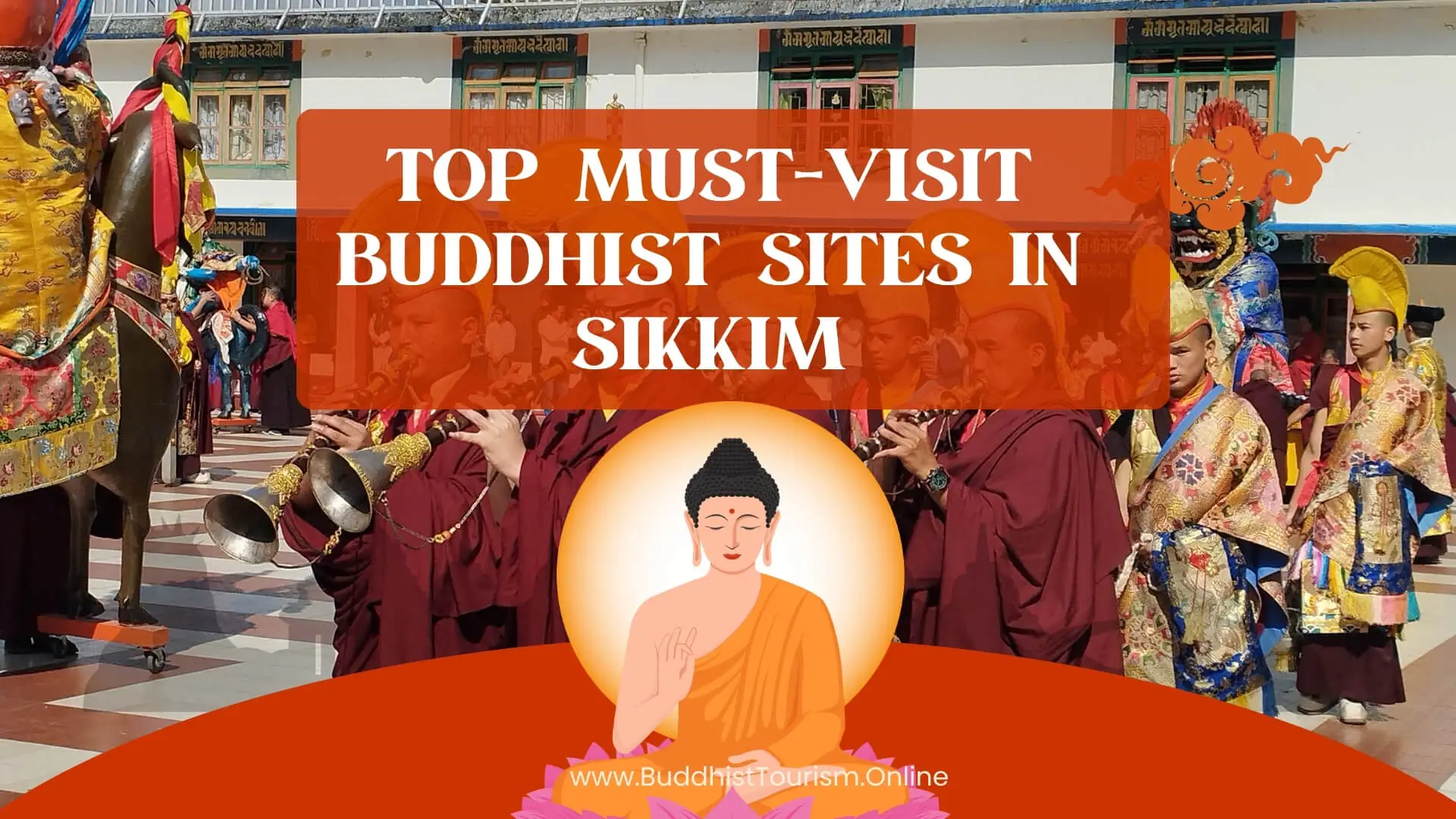
Long before monasteries appeared on Sikkim’s hilltops, the land itself was understood as sacred. When Guru Padmasambhava traveled through the eastern Himalayas in the 8th century, he declared Sikkim a Beyul, a hidden refuge meant to preserve Buddhist practice during times of upheaval. Over centuries, this belief shaped how faith took root here, gradually giving rise to monastic institutions, ritual traditions, and eventually kingship.
By the 17th century, Buddhism had become inseparable from Sikkim’s political and cultural life with the coronation of the first Chogyal (Dharma King) at Yuksom, supported by senior Buddhist lamas. This long, uninterrupted continuity explains why Buddhist sites in Sikkim function less as standalone monuments and more as part of a living sacred landscape, where geography, lineage, and community belief continue to evolve together.
This guide explores six Buddhist sites in Sikkim that reveal how Buddhism arrived, stabilized, and continues to function in the state today.
Who This Journey Suits?
This exploration of Buddhist sites in Sikkim is best suited for travelers interested in cultural context, quiet observation, and living religious traditions. It is not designed for fast-paced sightseeing or quick photo stops, as many sites prioritize ritual life over visitor convenience.
1. Dubdi Monastery: Where Buddhism in Sikkim Began
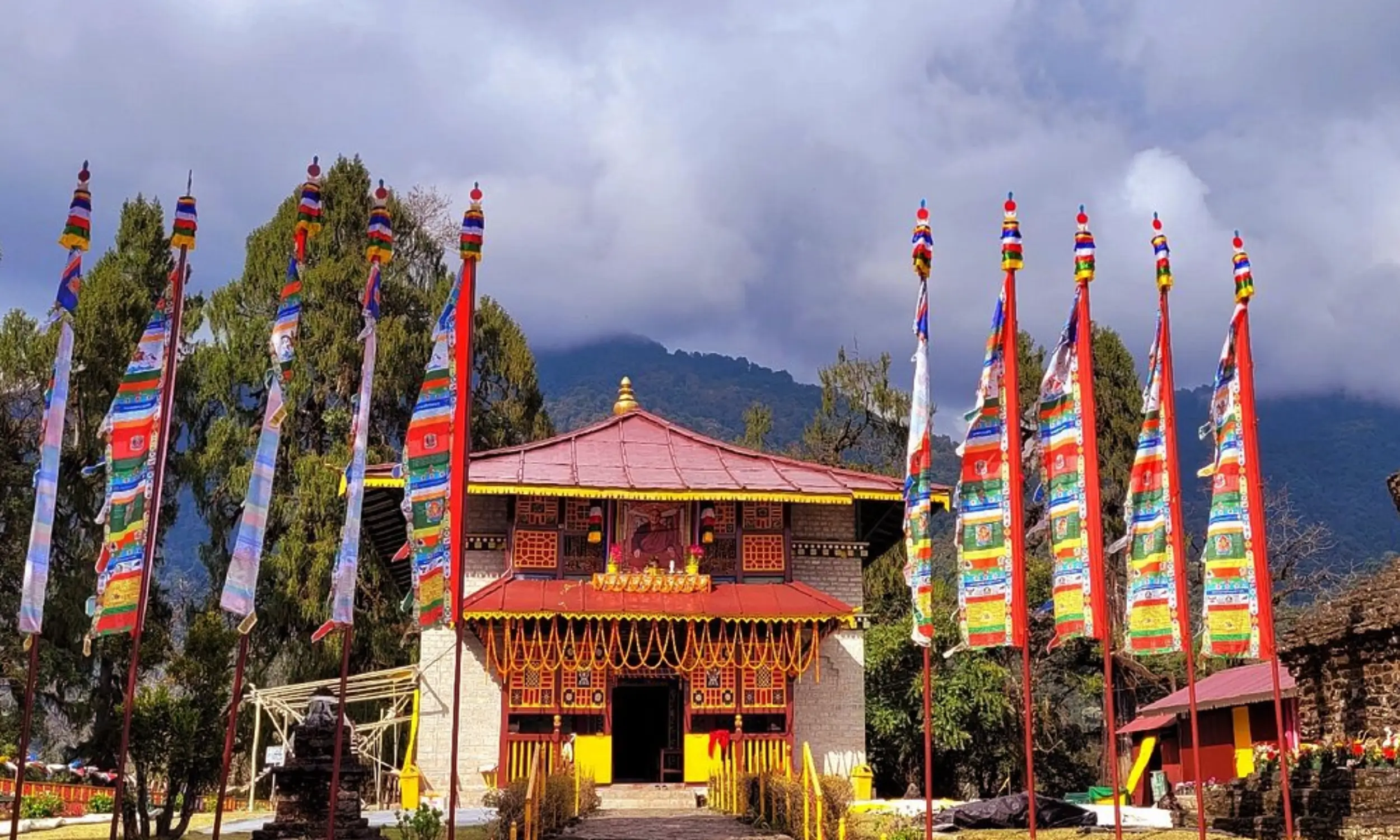
- Location: Yuksom, West Sikkim.
- Cultural significance: Foundational monastery tied to the birth of the Sikkimese state.
- What to Know: Physically demanding access; minimal facilities; intermittent monk presence.
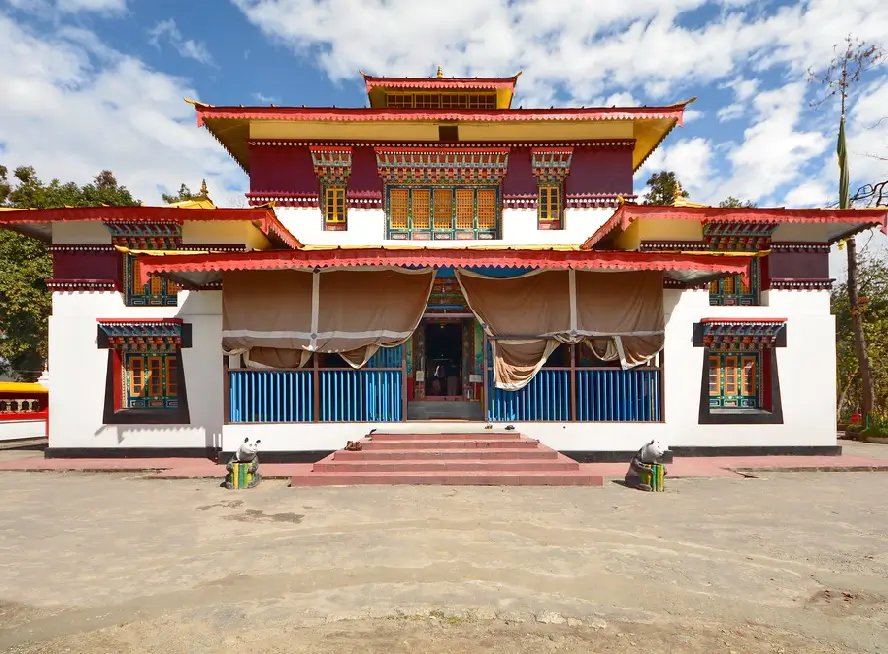
Founded in 1701, Dubdi Monastery is the oldest monastery in Sikkim and the starting point of its formal Buddhist history. Located above Yuksom, the site where the first Chogyal was crowned, Dubdi represents the moment when spiritual authority and state formation became inseparably linked.
Architecturally modest and accessed by a steep forest trail, Dubdi impresses through what it initiated-the institutional presence of Buddhism in Sikkim. Everything that followed: Pemayangtse, Tashiding, and Rumtek, builds upon the legitimacy established here.
2. Pemayangtse Monastery: Second-Oldest Gompa in Sikkim
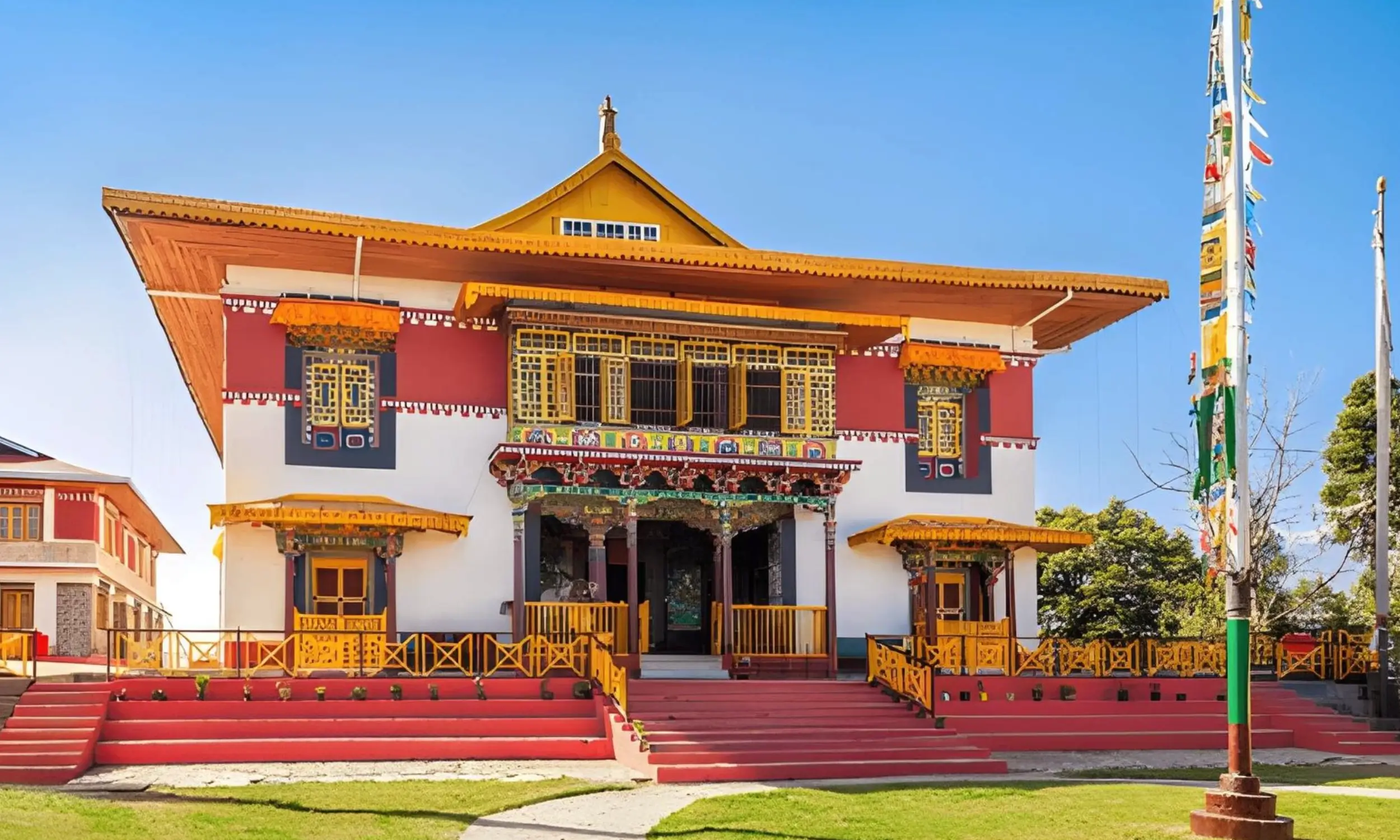
- Location: Upper Pelling, West Sikkim.
- Cultural significance: Nyingma authority and royal spiritual legitimacy.
- Reality check: Expect limited access during prayer sessions and ceremonies.
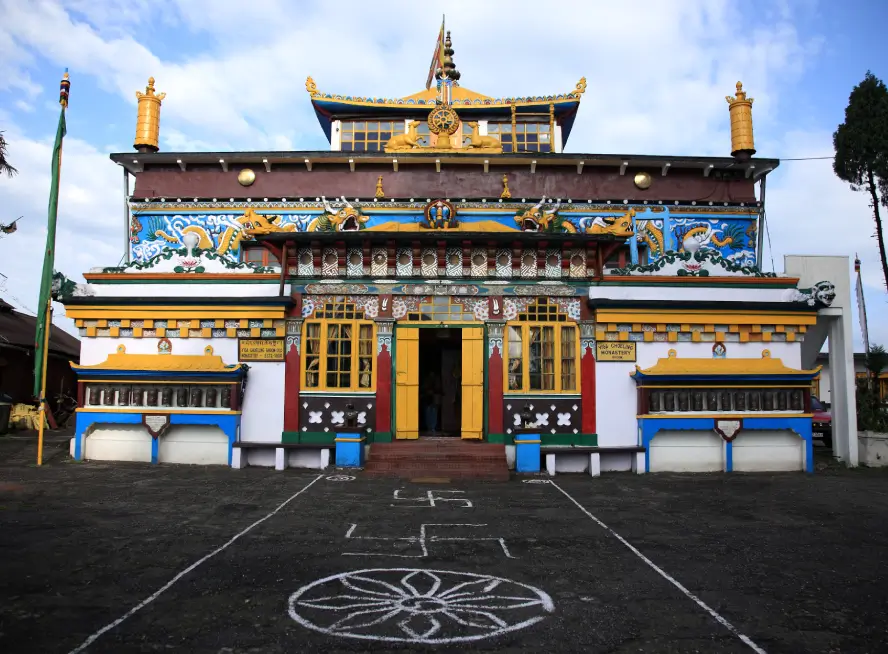
Established in 1705, Pemayangtse Monastery is one of the most revered monastic institutions in Sikkim and a principal center of the Nyingma tradition. Closely associated with the Chogyal dynasty, Pemayangtse functioned as a spiritual counterbalance to political authority. Its most distinctive feature, Zangdok Palri, is a detailed three-dimensional wooden representation of Guru Padmasambhava’s celestial palace, crafted painstakingly over decades by a single monk.
3. Tashiding Monastery: A Holy Buddhist Pilgrimage Sites in Sikkim
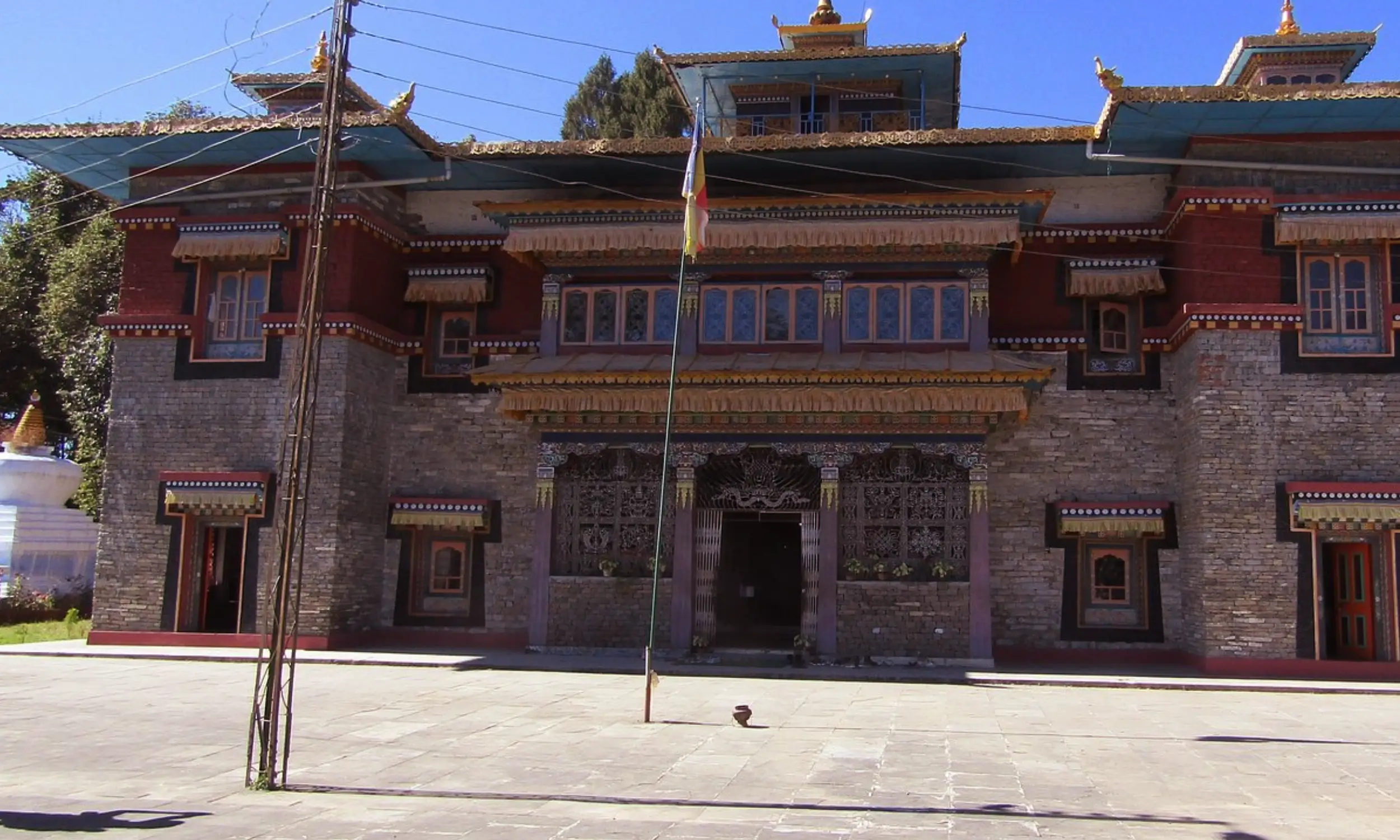
- Location: West Sikkim.
- Cultural significance: Ritual site linking faith, community, and seasonal cycles.
- What to Know: Festival periods are crowded and logistically challenging.
Tashiding is regarded as one of the holiest Buddhist pilgrimage sites in Sikkim, best known for the annual Bumchu Festival. The monastery houses a sacred vase whose water level is believed to foretell the fortunes of the coming year, a ritual that draws devotees from across the state.
Beyond prophecy, Tashiding functions as a center of collective faith. The Bumchu ritual reflects communal concern, continuity, and trust in spiritual interpretation rather than individual wish-seeking. Outside festival periods, the monastery remains quiet.
4. Rumtek Monastery: An Internationally Popular Monastery
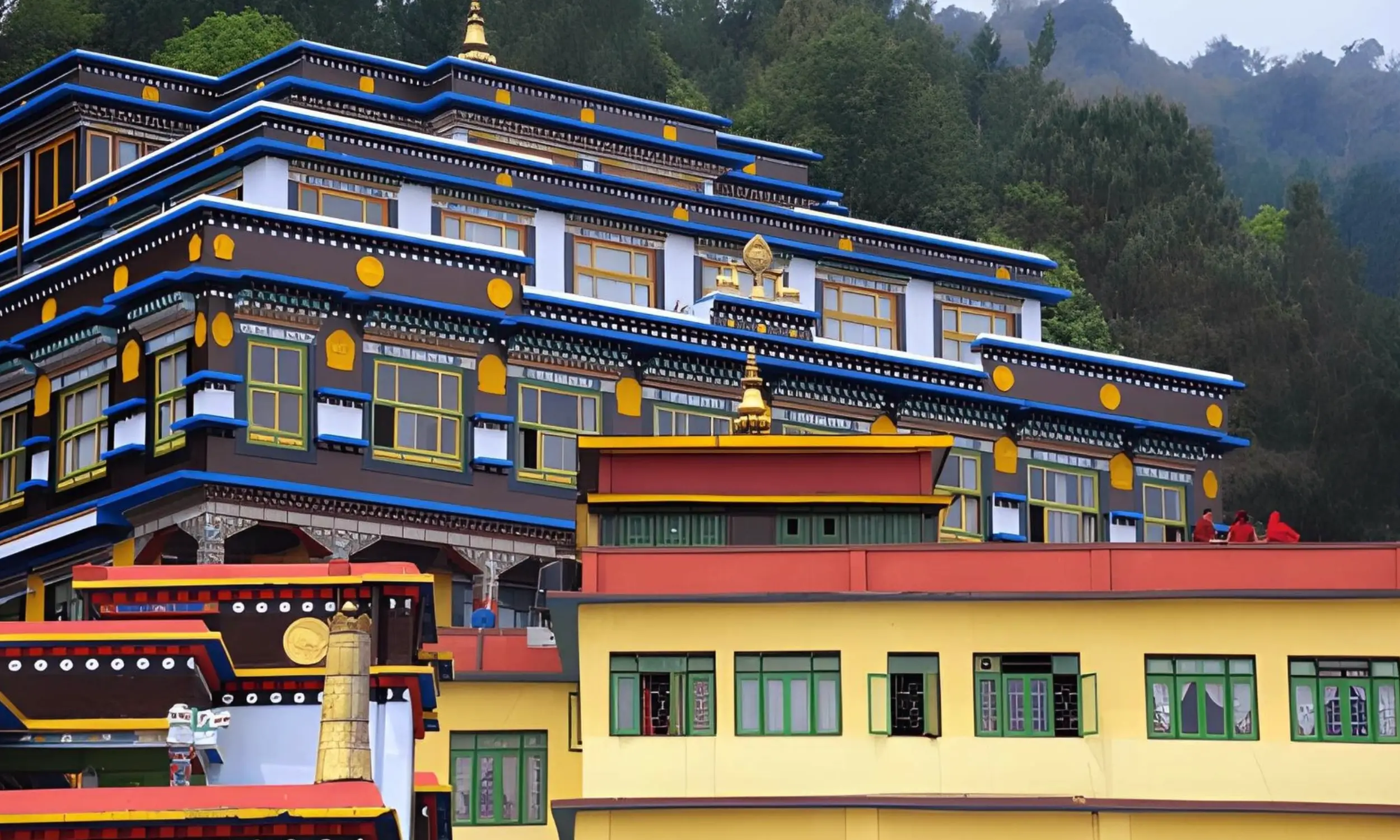
- Location: 23 km from Gangtok, East Sikkim.
- Cultural significance: Centre of Karma Kagyu lineage in exile.
- What to Know: Limited access during major ceremonies.
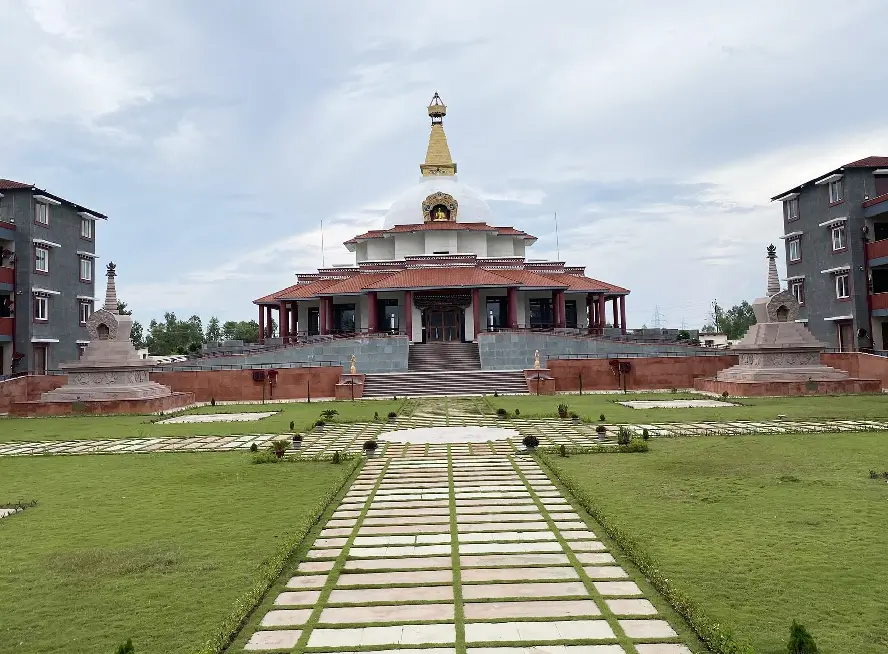
Rumtek Monastery is the most internationally recognized Buddhist site in Sikkim and the seat-in-exile of the Karmapa, head of the Karma Kagyu lineage. Rebuilt in the 1960s, it serves as a center for monastic education, ceremonial rituals, and lineage preservation.
Unlike older monasteries rooted in royal patronage, Rumtek represents modern Buddhist authority, shaped by exile history, global followers, and institutional continuity. It functions as an active religious headquarters rather than a contemplative retreat.
5. Khecheopalri Lake: A sacred site for Buddhists and Lepchas
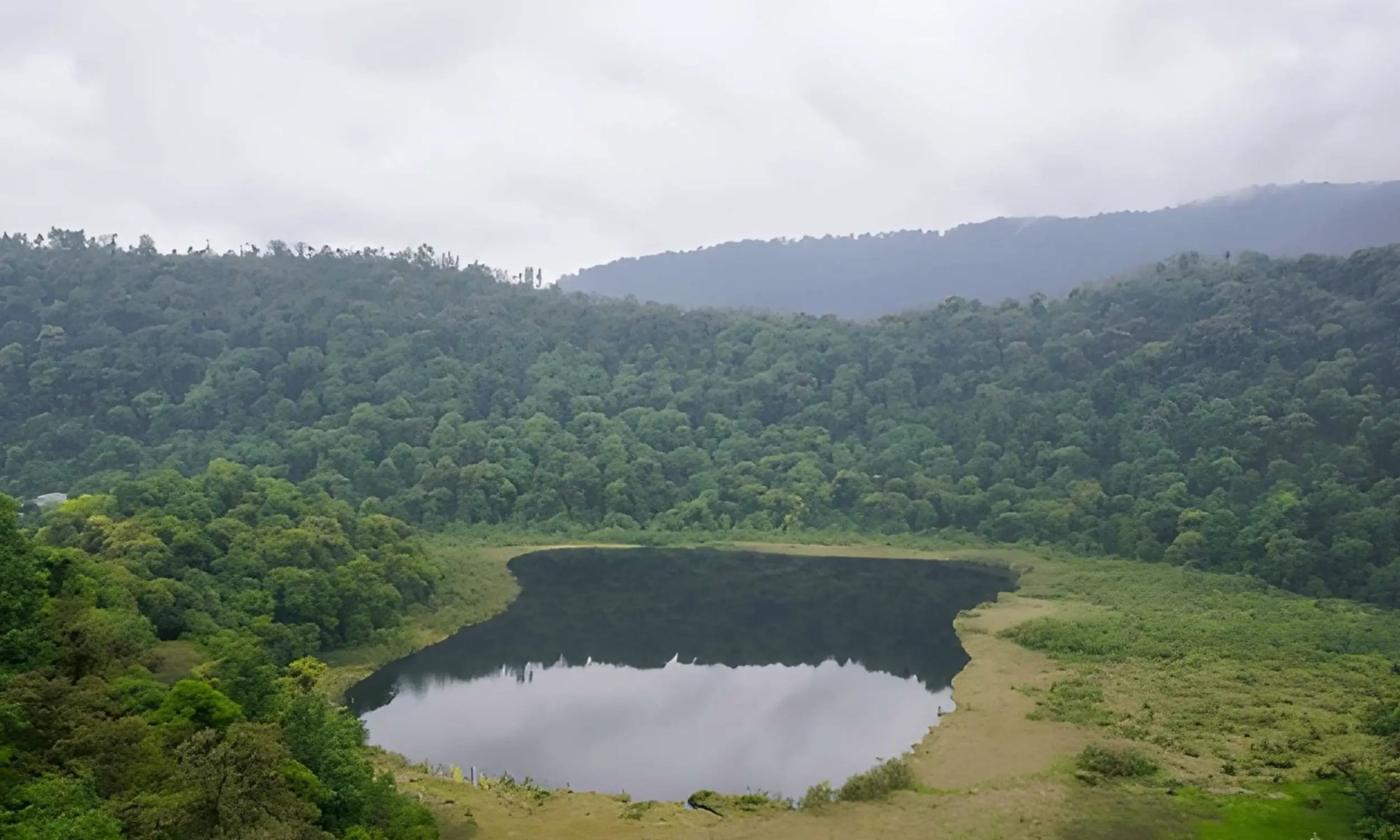
- Location: Near Pelling, West Sikkim.
- Cultural significance: Intersection of Buddhism and indigenous belief.
- What to know: Maintain silence and respectful behaviour.
Revered by both Buddhists and the indigenous Lepcha community, Khecheopalri Lake reflects Sikkim’s understanding of sacred geography. Associated with Guru Padmasambhava and local protective deities, the lake represents how older nature-worship traditions were absorbed into Vajrayana Buddhist practice.
Movement around the lake is guided by prayer wheels and wooden walkways, reinforcing quiet engagement and restraint. Khecheopalri is best understood as a shared sacred space rather than a place of spectacle.
6. Samdruptse Hill: Modern Devotional Expression
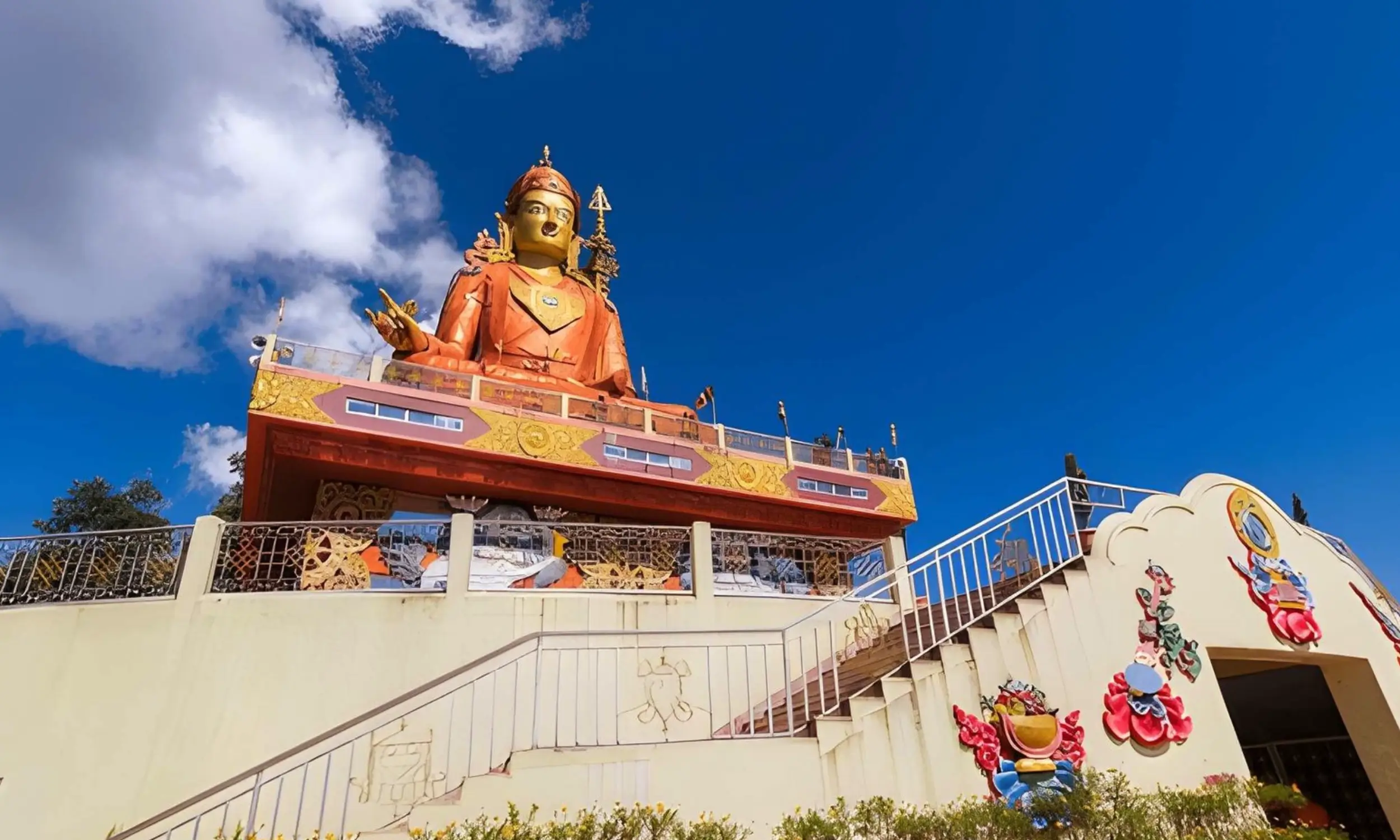
- Location: Namchi, South Sikkim.
- Cultural significance: Contemporary devotional landmark.
- What to Know: Symbolic site, not a monastic institution.
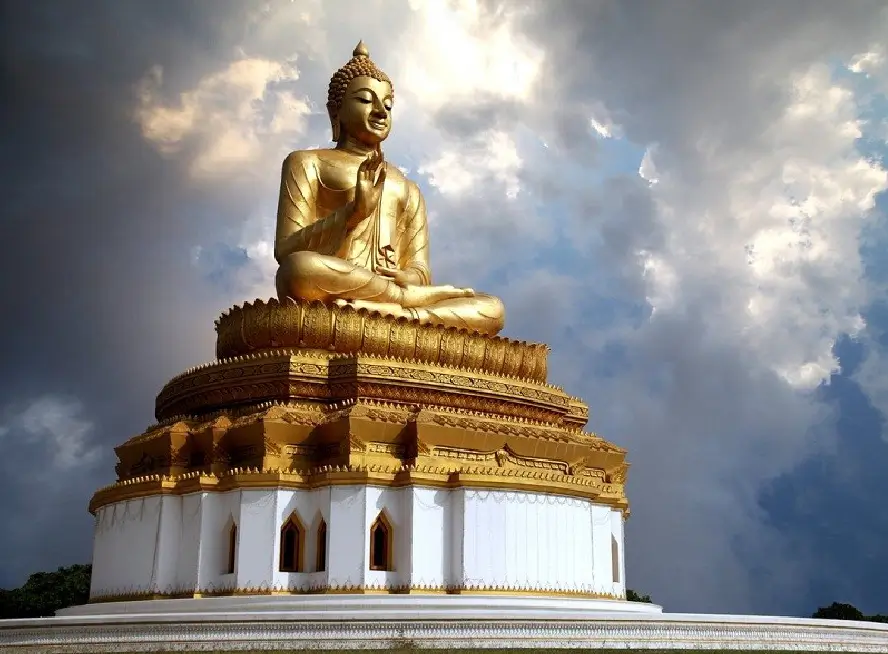
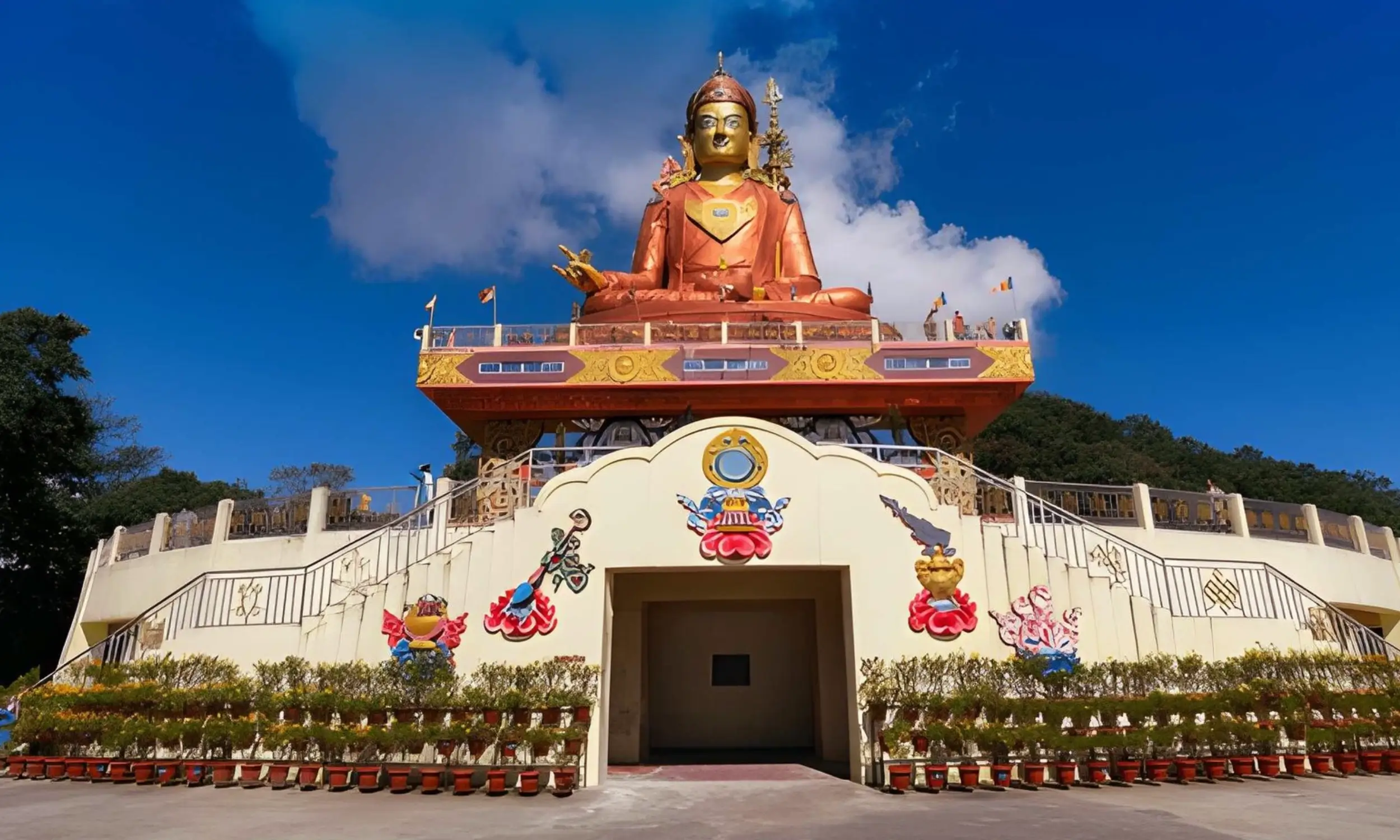
The statue of Guru Padmasambhava (100ft tall) at Samdruptse Hill is a contemporary addition to Sikkim’s spiritual landscape, completed in 2004. Unlike monasteries rooted in lineage and ritual authority, this site represents a modern, community-driven expression of devotion.
While it does not function as a center of Buddhist learning, Samdruptse reflects how faith adapts to public symbolism and visibility in the present day.
Know Before You Go
- Rituals take priority: Visitor access may be limited or paused during prayer times and ceremonies.
- Photography rules vary: Many monasteries restrict or prohibit photography inside prayer halls.
- Festivals change access: Expect crowds, security checks, and movement restrictions during major festivals; checking local guidelines in advance helps.
- Dress modestly: Covered shoulders and knees are expected at most religious sites.
- Quiet observation is appreciated: Monasteries are working religious spaces, not interactive museums.
- Early mornings are best: This is when rituals are most active and visitor presence is least intrusive.
- Follow local cues: If unsure, observe how devotees behave before moving or photographing.
Take Time to Explore
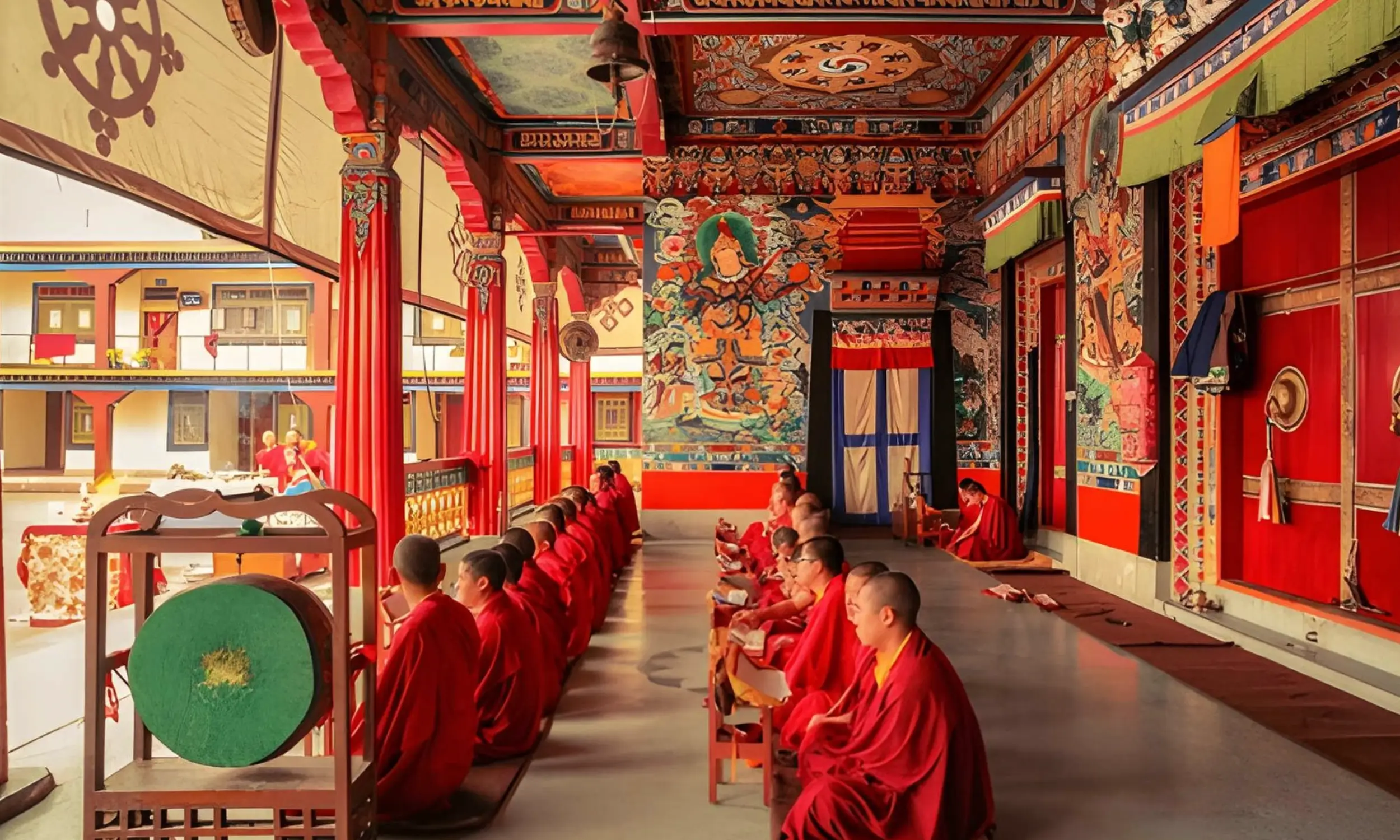
Buddhist sites in Sikkim are best approached slowly. Most monasteries and sacred spaces reward 30 to 60 minutes of quiet observation, rather than quick walkthroughs.
Insight You Might Like:
- Sikkim’s Buddhist sites fall naturally into two cultural belts, each reflecting a different phase of religious development.
- West Sikkim (Yuksom–Pelling region): it represents origins and ritual continuity. This is where Buddhism became embedded in kingship, sacred geography, and early monastic institutions. Sites here feel inward-looking, closely tied to forests, lakes, and historical memory.
- East Sikkim (Gangtok–Rumtek region): it reflects contemporary monastic authority. Influenced by exile history and global lineages, monasteries here function as centers of learning, administration, and international religious networks.
Understanding this distinction will help you plan more thoughtfully and appreciate why monasteries across Sikkim differ in atmosphere and access.
The most meaningful Buddhist sites in Sikkim are not united by scale or spectacle, but by continuity. From Dubdi’s origins to Rumtek’s contemporary authority, these places reveal how Buddhism adapted to geography, politics, and time without losing its core discipline. Approached with patience and context, Sikkim offers a Buddhist landscape that is lived, layered, and quietly enduring.
You May Also Like to Read
- Best Places to Visit in Buddha Circuit Tour Uttar Pradesh
- Buddhism in India
- Bihar Buddhist Circuit Tour- 5 Best Places to Visit
- Best Buddhist Places to Visit in North East India
- 10 Best Buddhist Temples to Visit in World
- Popular Buddhist Festivals in India
- Top Buddhist Destinations in India
- Popular Monasteries in India
- Top Buddhist Tourism Places to Visit in Madhya Pradesh
- Top Buddhist Tourist Places in Gujarat
- Popular Stupas in India
- Nepal Buddha Tour- Best Places to Visit
- Best Buddhist Places to Visit in Himachal Pradesh
- Odisha Buddhist Circuit Tour Places
- Popular Buddhist Pilgrimage Sites in India
- Top Buddhist Places to Visit in Bhutan
- 6 Best Buddhist Sites in Ladakh
- 6 Top Must-Visit Buddhist Sites in Sikkim