6 Best Buddhist Sites in Ladakh
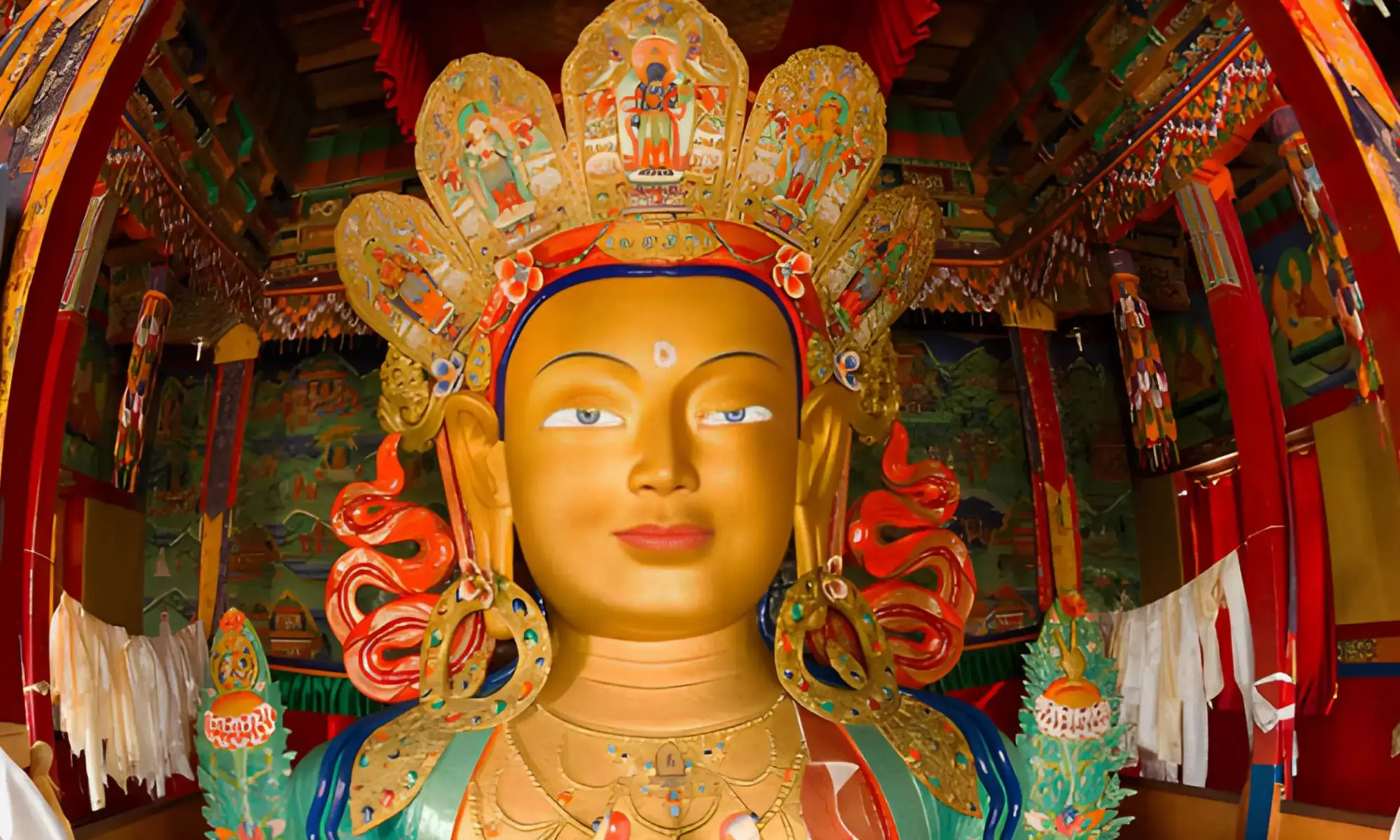
Buddhism in Ladakh has been thriving for over a thousand years, shaping the region’s education systems, art traditions, and community life. Introduced through Tibetan influence between the 7th and 8th centuries and strengthened by Ladakhi royal patronage, monasteries here continue to function as living religious institutions, not preserved monuments. Some of the oldest surviving Buddhist murals in the Himalayas, dating back to the 11th century, are still found in Ladakh today.
This blog highlights six Buddhist sites in Ladakh with genuine religious and cultural significance. The selection prioritizes lineage relevance, historical continuity, and on-ground functioning over visual popularity. This blog is for someone like you who is culturally curious and is willing to understand how these monasteries operate today rather than treating them as checklist sightseeing stops in Ladakh.
- Thiksey Monastery
- Hemis Monastery
- Diskit Monastery
- Lamayuru Monastery
- Alchi Monastery
- Phugtal Monastery
1. Thiksey Monastery: Ceremonial Centre of Central Ladakh
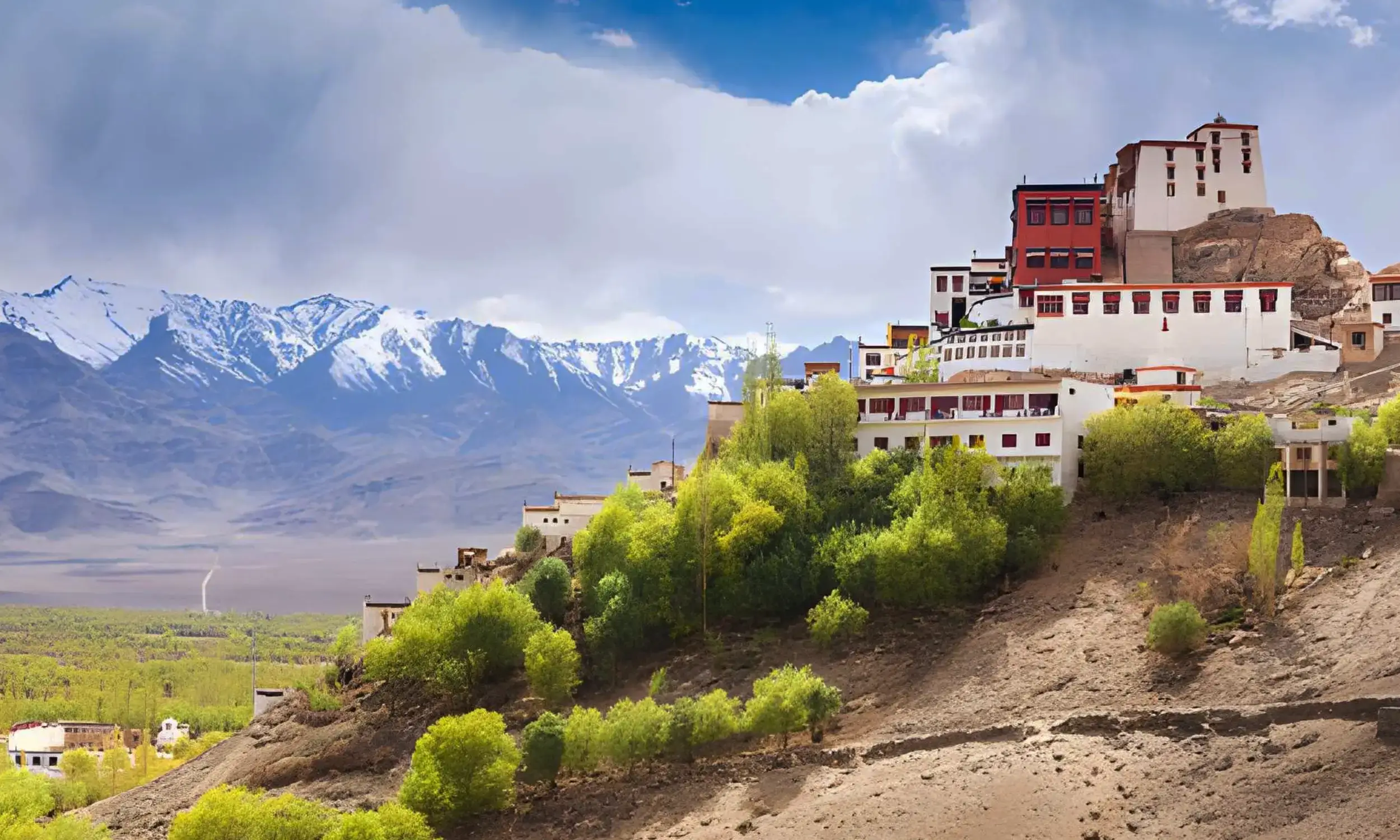
Located about 19 km from Leh, Thiksey Monastery is one of Ladakh’s most important Gelugpa (Yellow Hat) monasteries. Overlooking the Indus Valley, it functions as a major centre for monastic education, daily rituals, and large ceremonial gatherings that influence religious life across central Ladakh. The sheer size and multi-tiered structure built on a hilltop in ascending order, strongly resembles the iconic Potala Palace in Lhasa, Tibet.
Highlights
- Multi-level hilltop monastery with several prayer halls
- Prominent Maitreya Buddha statue in a dedicated temple
- Strong institutional presence of the Gelugpa sect
Festivals
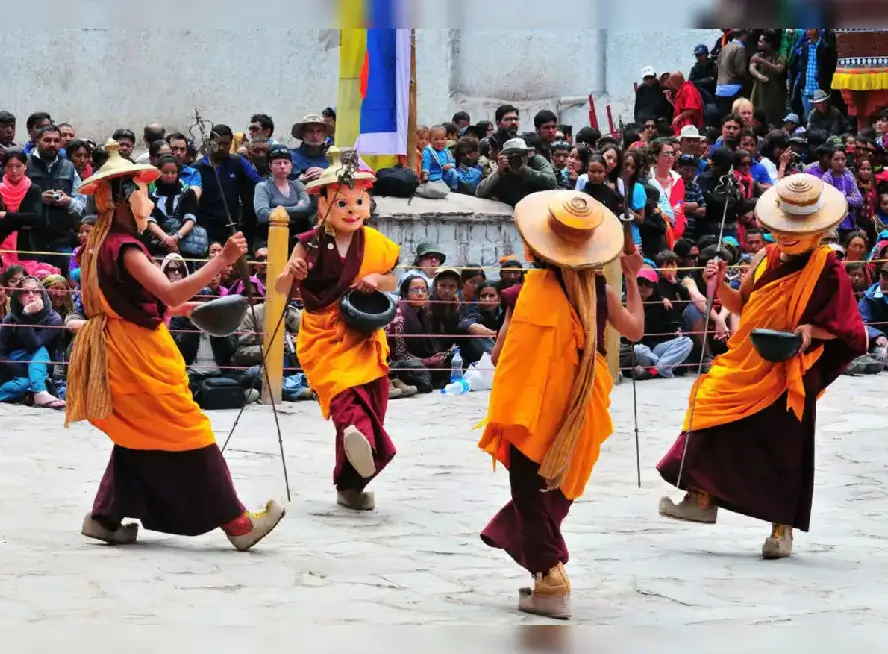
- Gustor Festival (winter ritual with masked dances)
What to Know
- Morning prayers are part of routine discipline, not staged events
- Busy during mid-morning due to proximity to Leh
Visit Note
- Visit Thiksey before 7 am or late afternoon
- Silence is expected inside prayer halls
2. Hemis Monastery: Drukpa Lineage Stronghold
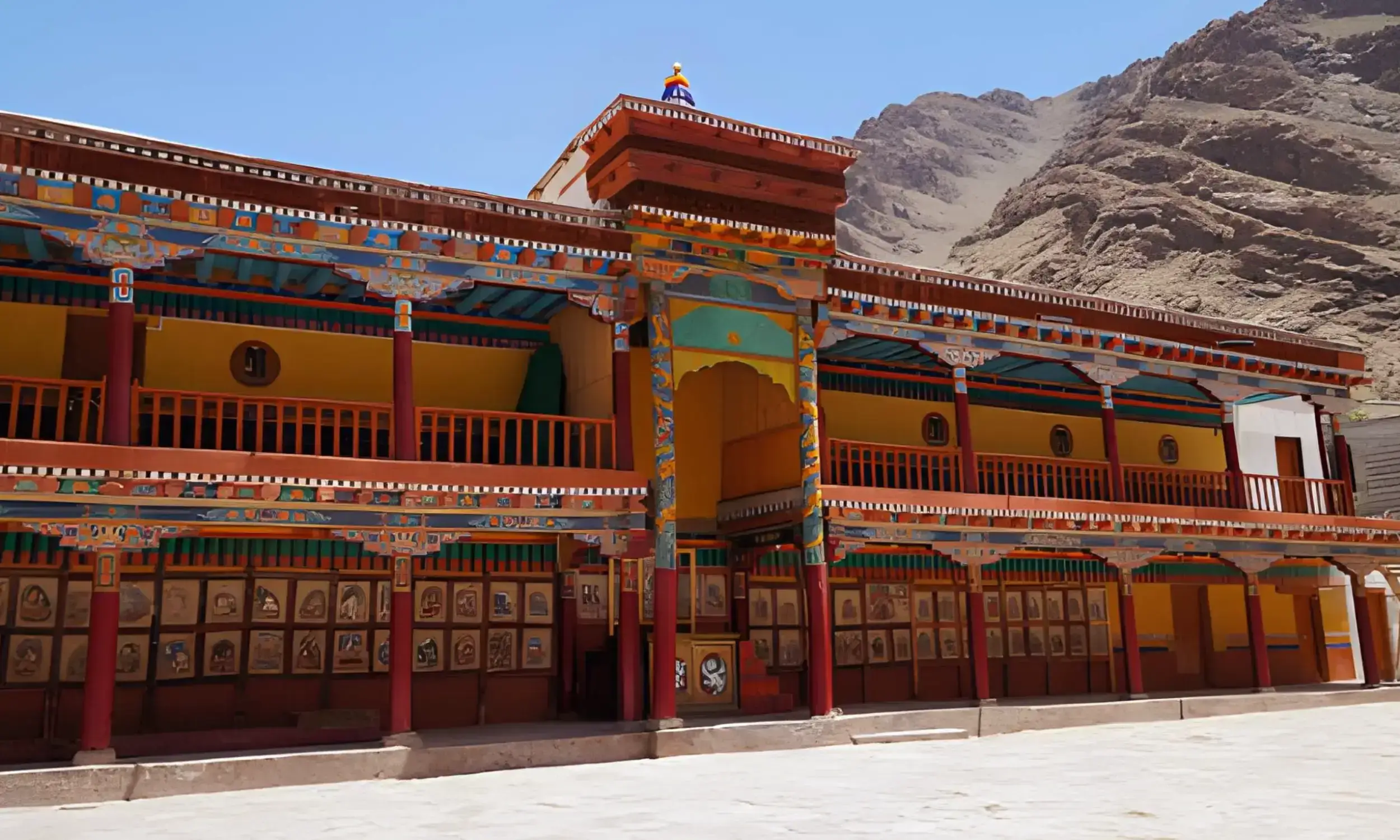
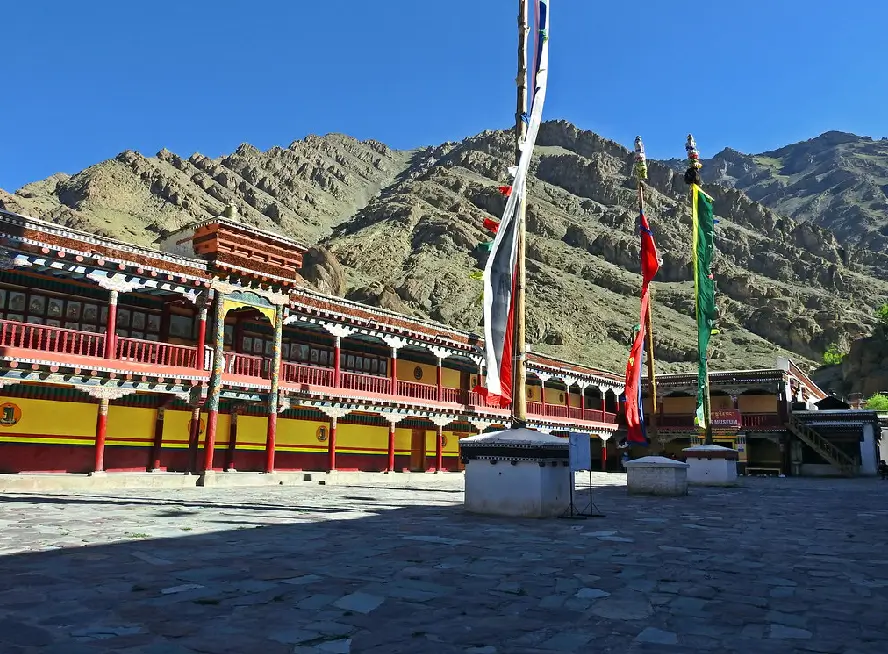
Situated around 45 km from Leh, Hemis Monastery is the largest and wealthiest monastery in Ladakh and the most prominent center of the Drukpa lineage. Set within a mountain gorge, it plays a key role in preserving ritual traditions associated with Guru Padmasambhava.
Highlights
- Extensive monastery complex with museum and library
- Rare thangkas, manuscripts, and ritual artefacts
- Central venue for Ladakh’s most prominent Buddhist festival
Festivals
- Hemis Festival (June/July): giant thangka displayed every 12 years
What to Know:
- Extremely crowded during festival days
- Quieter and more contemplative outside festival season
Visit Note
- Visit early to avoid tour-group congestion
- Museum visit adds important cultural context
3. Diskit Monastery – Religious Anchor of Nubra Valley
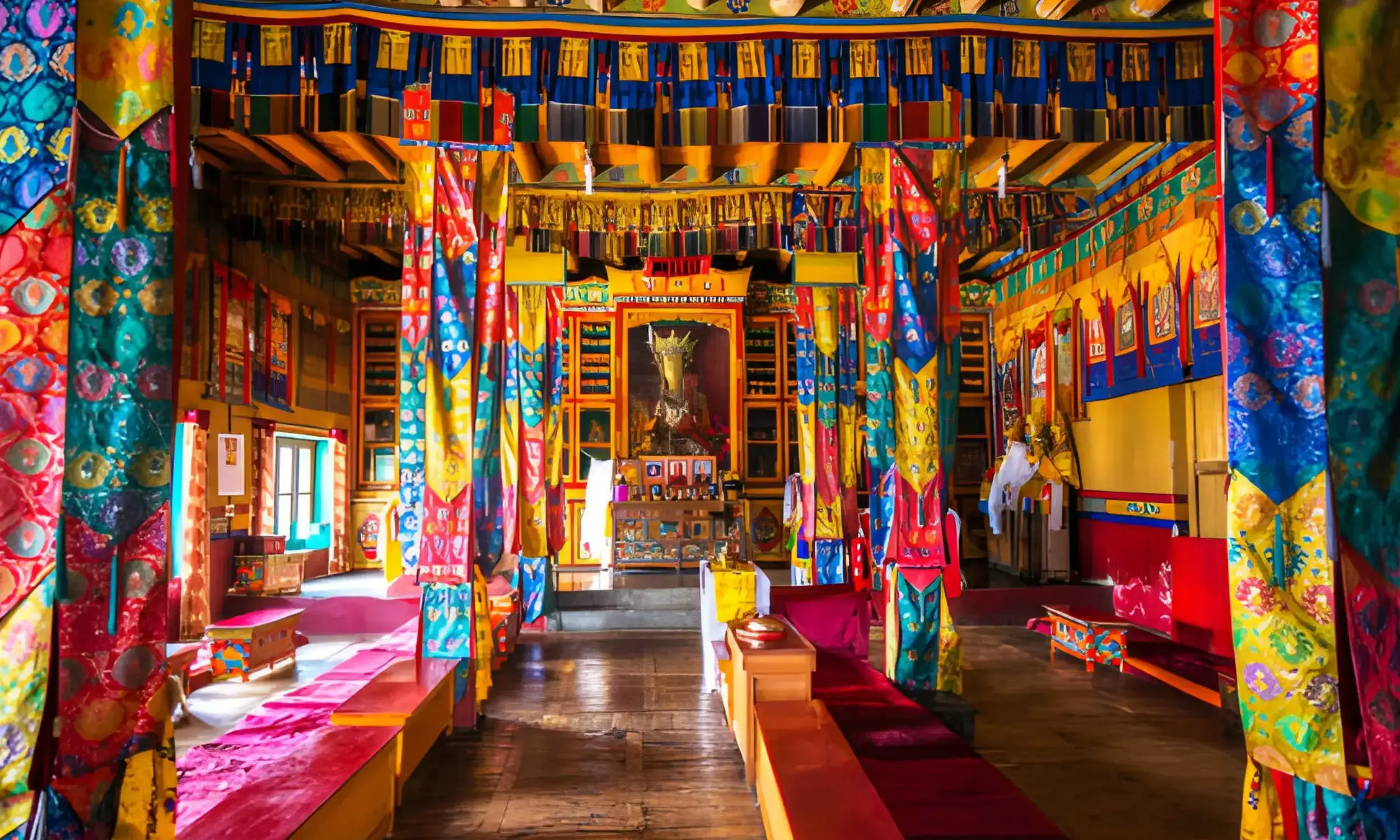
Founded in the 14th century, Diskit Monastery is the oldest and largest monastery in Nubra Valley. Belonging to the Gelugpa sect, it historically served as the region’s religious and administrative center, overseeing smaller gompas and monastic education.
Highlights
- Hilltop setting overlooking Nubra Valley
- Large Maitreya Buddha statue (108 feet) symbolising regional protection
- Collection of ancient murals and manuscripts
Festivals
- Dosmochey (regional winter ritual festival)
What to Know
- Windy location; weather changes quickly
- More spiritually active than its tourist-facing appearance suggests
Visit Note
- Best visited in the morning
- A must-add in the Nubra Valley itinerary
4. Lamayuru Monastery: One of Ladakh’s Oldest Gompas
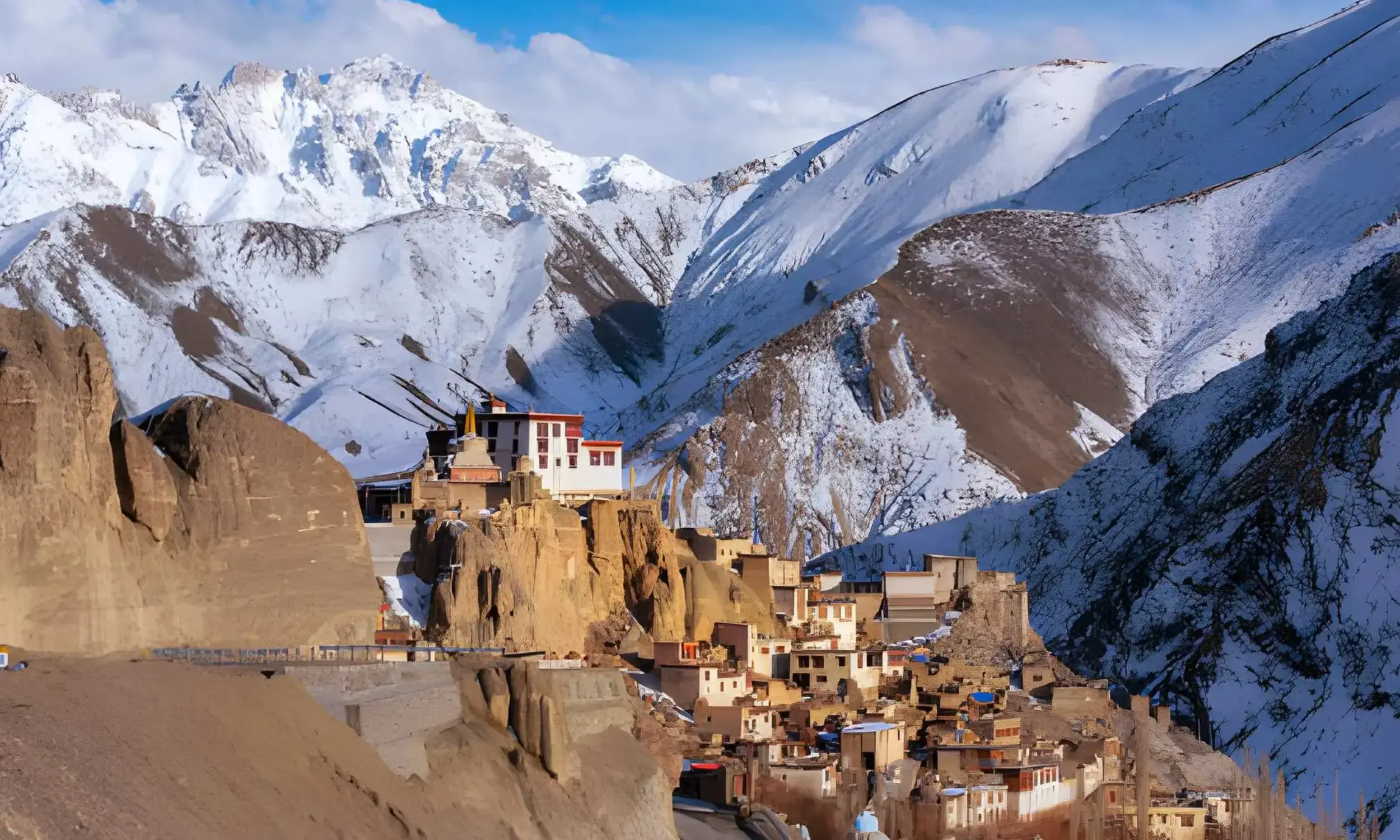
Dating back to the 11th century, Lamayuru Monastery is among the oldest monasteries in Ladakh. Located on the Leh–Srinagar highway, it belongs to the Drikung Kagyu (Red Hat) lineage and sits amid Ladakh’s distinctive “Moonland” landscape.
Highlights
- Ancient meditation caves and prayer halls
- Dramatic geological surroundings
- Important centre for western Ladakh’s Buddhist practices
Festivals
- Yuru Kabgyat Festival (June/July)
What to Know
- Remote setting with limited nearby facilities
- Daily rituals continue largely unaffected by tourism
Visit Note
- Ideal stop while travelling the Leh–Srinagar route
- Spend a minimum of 30 minutes here to fully admire its beauty
5. Alchi Monastery: Oldest Surviving Buddhist Art in Ladakh
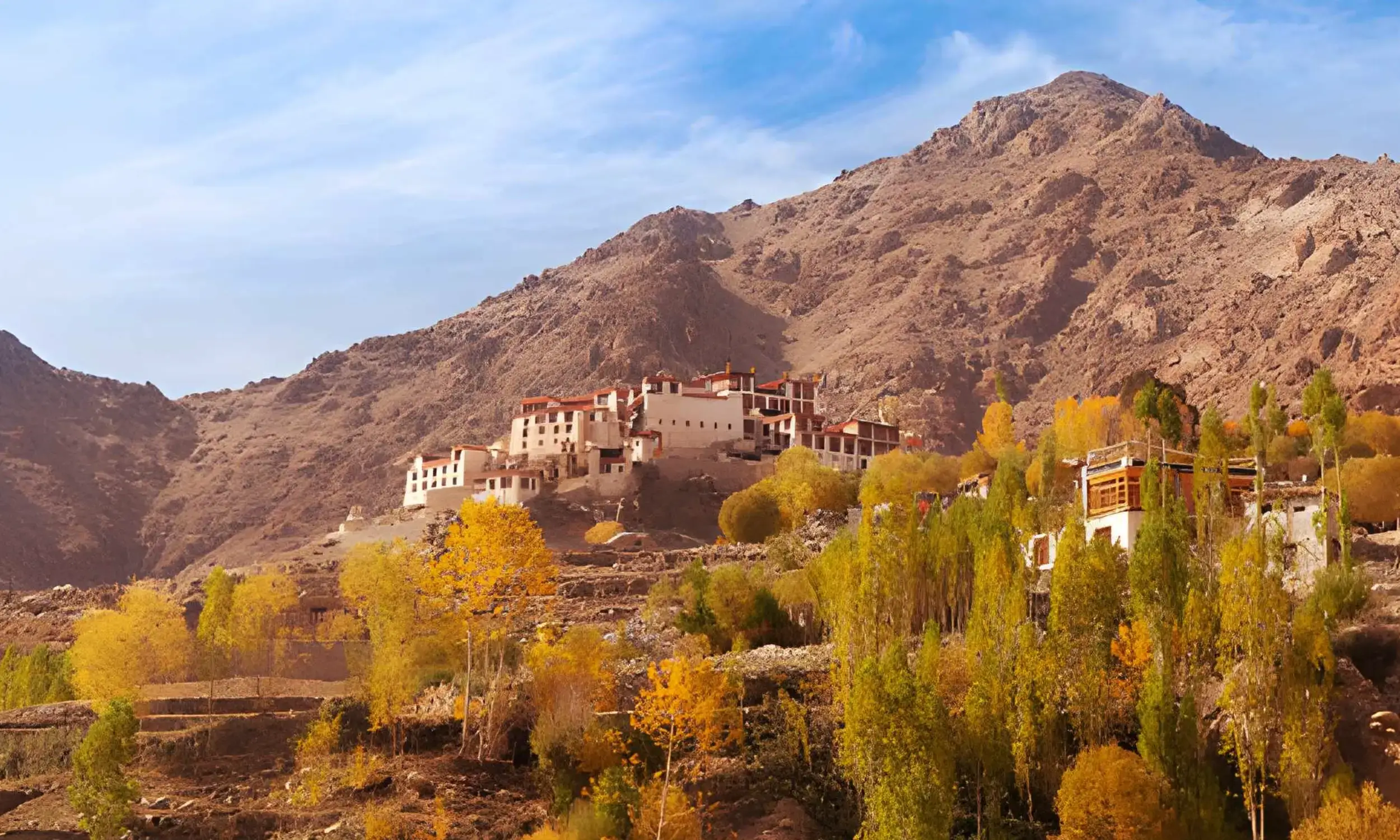
Located on flat ground near the Indus River, Alchi Monastery dates back to the 11th century and houses the oldest surviving Buddhist murals in Ladakh. Maintained as a heritage site rather than an active monastery, it reflects early Himalayan Buddhist art with strong Kashmiri influence.
Highlights
- Exceptionally preserved wall paintings and wood carvings
- Multiple temples within one complex
- Rare insight into early Indo-Tibetan Buddhist art
What to Know
- Photography inside temples is prohibited
- Interpretation depends heavily on explanation
Visit Note
- Hiring a local guide significantly enhances understanding
- Slow exploration is recommended
Phugtal Monastery: Cave Monastery of Ladakh
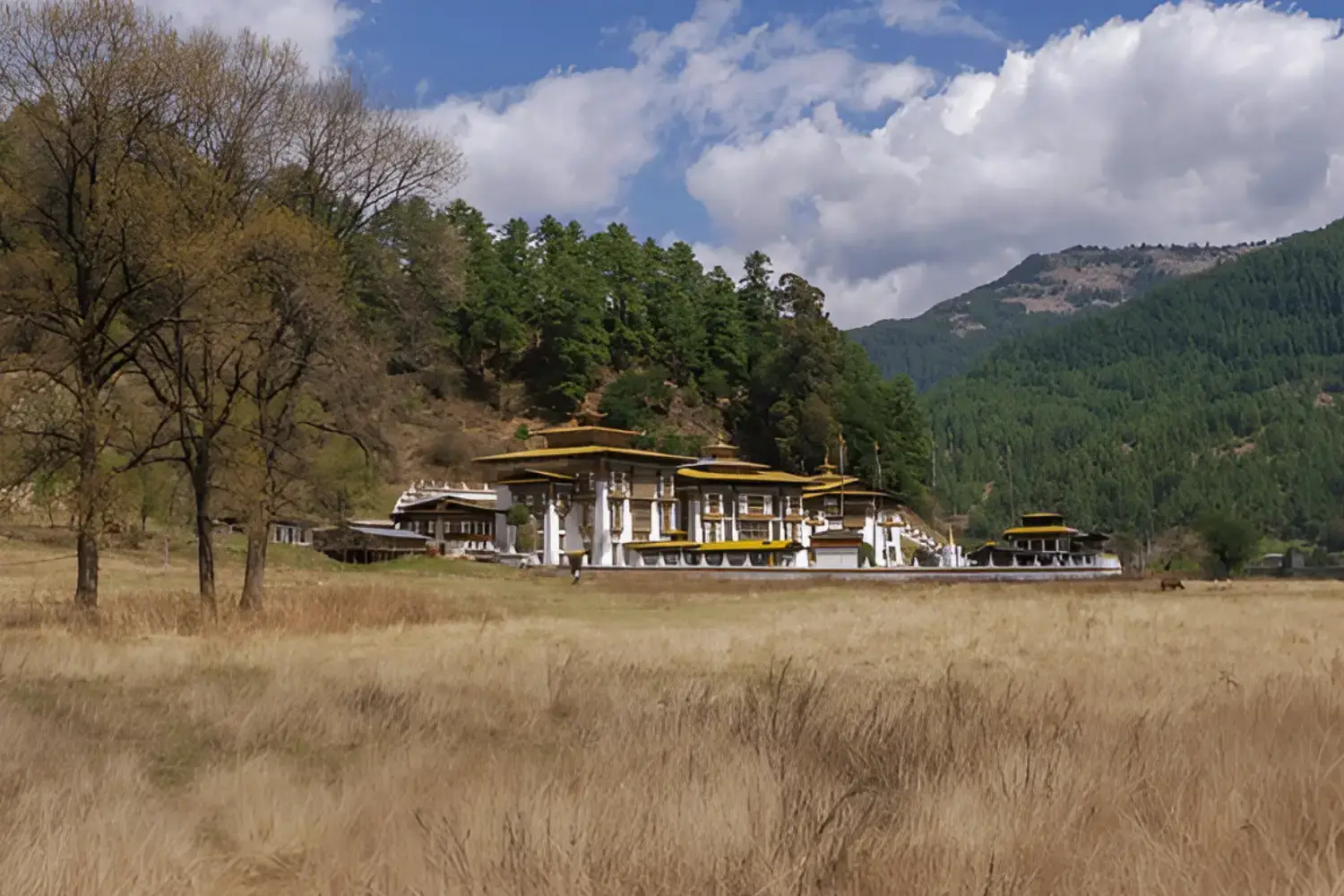
Phugtal Monastery is a rare cave-based Buddhist institution in the Zanskar region, shaped by centuries of deliberate isolation and ascetic practice. Away from major trade routes and political centers, the monastery grew as a place of meditation and scholarship. Local tradition links the cave to the Sixteen Arhats, while later figures such as Padmasambhava, Lama Marpa Lotsawa, and the 12th-century scholar Zanskar Lotsawa Phagpa Sherab are believed to have lived and worked here.
Highlights
- Cave-based monastery architecture unique to the region
- Long tradition of meditation and monastic discipline
- Represents non-urban Himalayan Buddhist life
Festivals
- Phugtal Gustor (dates vary annually)
What to Know
- Road access has developed till Purne and Cha, from where reaching the monastery takes 1-2 hours only
- Weather and terrain still influence travel feasibility
Visit Note
- Best approached as part of a Zanskar journey
- Facilities are minimal; preparation is essential
Alternative for Phugtal: Samstanling Monastery (Nubra Valley)
For travelers not heading into Zanskar, Samstanling Monastery offers comparable cultural value with significantly easier access. An active Gelugpa monastery in Nubra Valley, it supports a large monastic community and reflects everyday religious life rather than festival-centric tourism.
Highlights
- Strong Gelugpa lineage presence
- Regular rituals and monastic routines
- Less tourist-driven than nearby Diskit Monastery
Visit Note
- Easily reached by road within Nubra Valley
- Suitable for travellers with limited time or mobility constraints
Practical Planning Tips for Visiting Ladakh’s Buddhist Sites
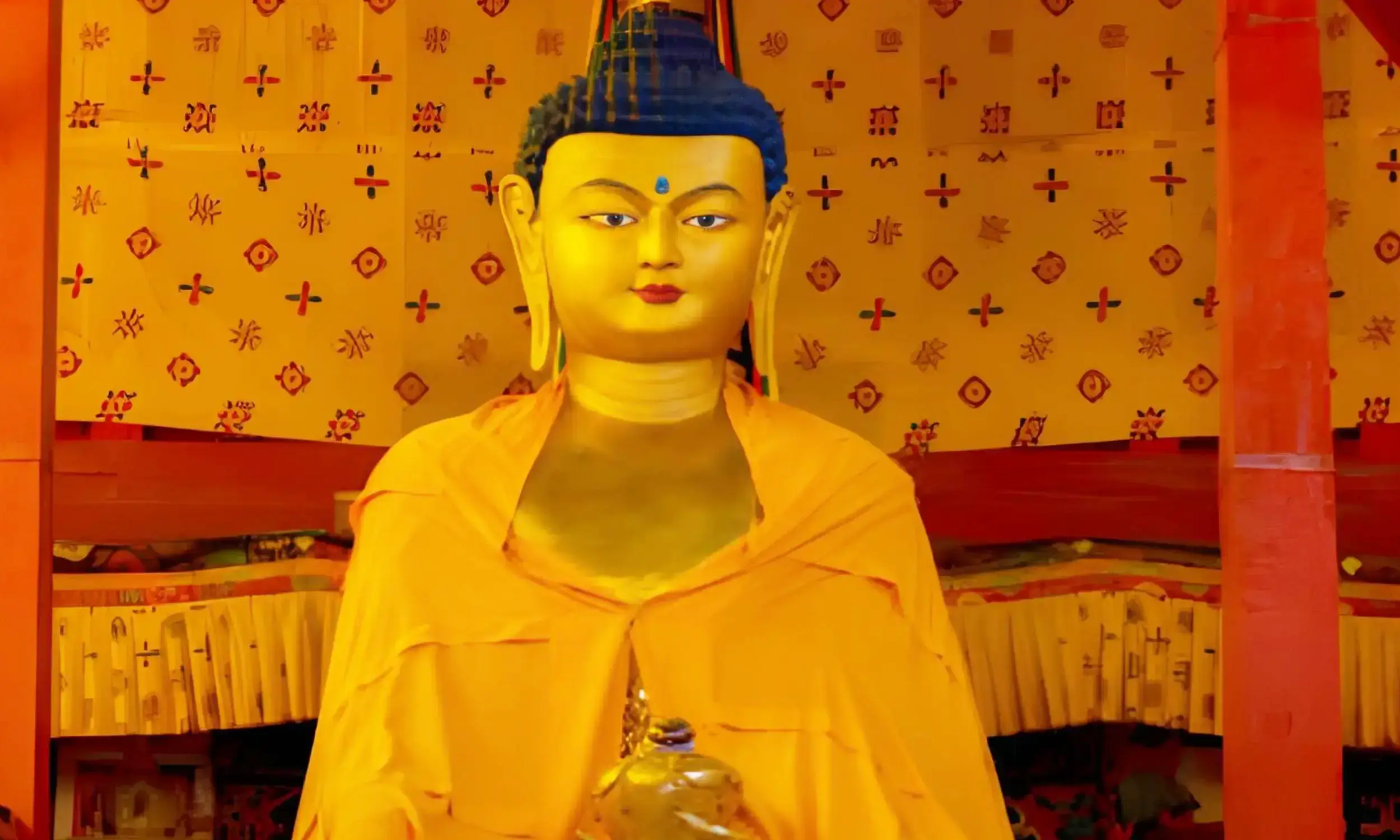
If you’re planning to visit all six monasteries in one trip
Recommended flow with distances (approx.):
- Thiksey Monastery— 19 km from Leh
- Hemis Monastery – 45 km from Leh
- Alchi Monastery – 70 km from Leh
- Lamayuru Monastery – 125 km from Leh
- Diskit Monastery (Nubra Valley) – 120 km from Leh
- Phugtal Monastery (Zanskar) – 230 km from Leh to Padum and then drive to Purne (3-4 hr), followed by a short walk
Note: This sequence reduces backtracking and reserves Zanskar, the most time-intensive region, for the final leg.
If you don’t have time to cover all six monasteries
Prioritize these three:
- Thiksey Monastery
- Hemis Monastery
- Alchi Monastery
Things to Know for Visiting Buddhist Sites in Ladakh

- Dress modestly; cover shoulders and knees
- Remove footwear before entering prayer halls
- Walk clockwise around stupas and temples
- Avoid loud conversation during rituals
- Allow time for acclimatisation in Leh
- Carry small cash for donations where permitted
Ladakh’s Buddhist monasteries reflect centuries of cultural exchange, religious discipline, and regional identity shaped by the Himalayas. From the ceremonial importance of Thiksey to the ascetic traditions of Phugtal and the artistic legacy of Alchi, each site reveals a different dimension of Buddhism as it is practiced today. For travelers interested in Ladakh beyond scenery, these monasteries offer insight into a living tradition that continues to guide community life across the region.
You May Also Like to Read
- Best Places to Visit in Buddha Circuit Tour Uttar Pradesh
- Buddhism in India
- Bihar Buddhist Circuit Tour- 5 Best Places to Visit
- Best Buddhist Places to Visit in North East India
- 10 Best Buddhist Temples to Visit in World
- Popular Buddhist Festivals in India
- Top Buddhist Destinations in India
- Popular Monasteries in India
- Top Buddhist Tourism Places to Visit in Madhya Pradesh
- Top Buddhist Tourist Places in Gujarat
- Popular Stupas in India
- Nepal Buddha Tour- Best Places to Visit
- Best Buddhist Places to Visit in Himachal Pradesh
- Odisha Buddhist Circuit Tour Places
- Popular Buddhist Pilgrimage Sites in India
- Top Buddhist Places to Visit in Bhutan
- 6 Best Buddhist Sites in Ladakh